
Description
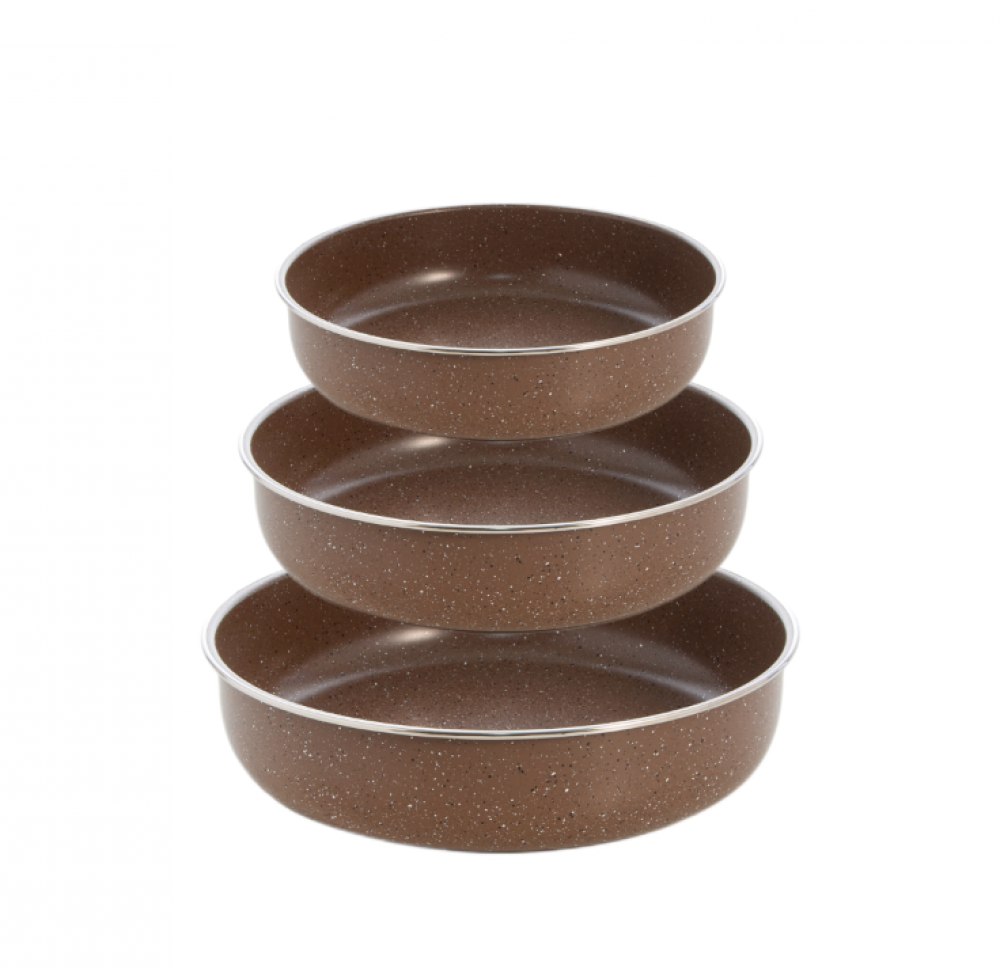
1. Marble Pattern Dinnerware (Ceramic/Stoneware)
Cleaning: Although often dishwasher safe, hand washing with a soft sponge and mild detergent is the best way to preserve the marble pattern.
Stain Removal: Use a paste of baking soda and water to gently scrub away tea, coffee, or food stains.
Avoid Abrasives: Never use a metal scouring pad or abrasive sponge, as these can scratch and dull the finish.
Storage: To prevent scratching the surface, place a soft cloth, paper towel, or felt pad between dishes when stacking them.
2. Glass Bakeware (Tempered/Borosilicate)
Preventing Thermal Shock: Do not transfer a glass dish directly from the freezer to a preheated oven; allow it to reach room temperature first.
Safe Handling: Always place hot glass on a dry cloth or wooden board—never place it on a cold or damp surface, as this can cause it to shatter.
Temperature Control: Glass is a good conductor of heat; It is generally recommended to reduce cooking temperatures by 25°F (15°C) compared to metal cookware to avoid overcooking.
Avoid direct heat: Do not use glass bakeware on the hob, under the broiler, or over an open flame.
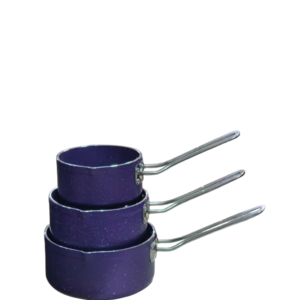
3. Non-stick cookware (turquoise and red sets)
Heat control: Use only low to medium heat; excessively high heat can damage the non-stick coating and cause it to lose its slip-resistant properties.
Appropriate utensils: Use wooden, silicone, or plastic utensils; metal utensils can scratch or permanently damage the interior coating of the cookware.
Avoid sprays: Avoid using cooking sprays, as they can leave a sticky residue that builds up over time and negatively impacts performance.
Reviews
There are no reviews yet.